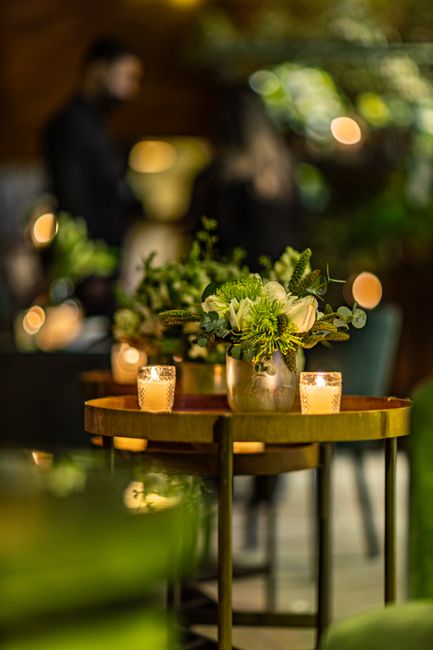
Jubilee Park event flowers and styling Canary Wharf
Posted on 27/10/2026
If you are planning an event around Canary Wharf, the details matter more than most people expect. The right flowers can soften a modern space, define a seating area, lift a reception table, and make a corporate function or private celebration feel properly considered. Jubilee Park event flowers and styling Canary Wharf is about more than placing a few blooms on a table; it is about creating a polished atmosphere that fits the pace, architecture, and audience of the area.
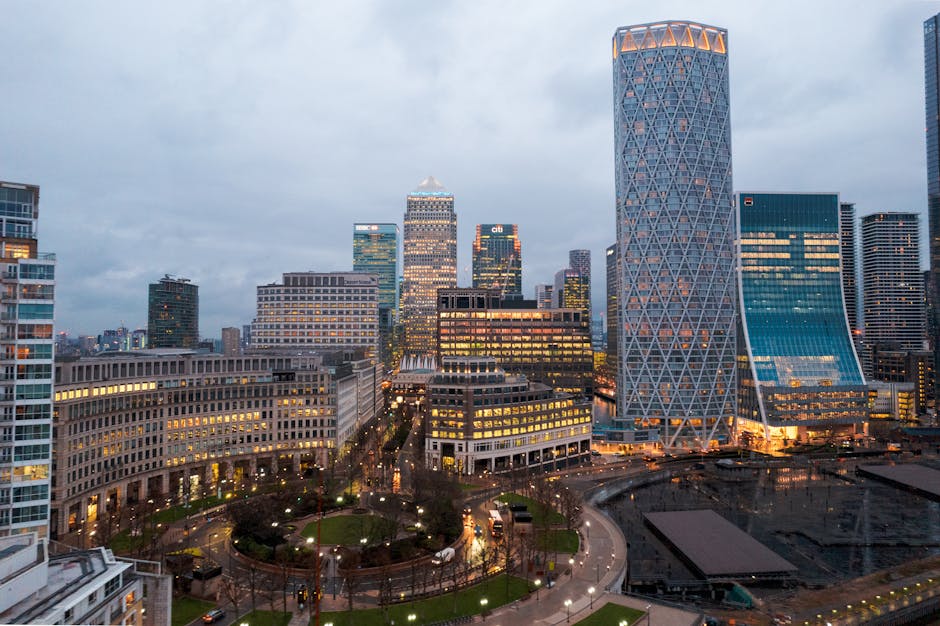
Jubilee Park sits in a part of London where glass, steel, water, and movement shape the experience. That means floral styling has to work a little harder. It should look elegant in daylight, still read well in photos, and hold its own against strong surroundings without feeling overdone. To be fair, that balance is where good event design really shows itself. In this guide, we will cover how event flowers and styling work in Canary Wharf, who needs them, what to plan for, common mistakes, and how to make choices that actually improve the day rather than just decorate it.
Whether you are coordinating a brand launch, networking evening, wedding-related gathering, milestone party, or a polished seasonal reception, the aim is the same: make the space feel intentional. Not fussy. Not flat either. Just right.
Why Jubilee Park event flowers and styling Canary Wharf Matters
Jubilee Park is not a blank canvas in the usual sense. It has a strong built environment, public movement, fixed sightlines, and a distinctly urban feel. So flowers and styling do two important jobs at once: they introduce warmth and they create focus. That matters because people experience events emotionally before they can describe them logically. A well-styled entrance makes guests feel welcomed. A balanced table arrangement makes a dinner feel calmer. A neat floral feature behind a podium can quietly improve how the whole event is photographed.
In a location like Canary Wharf, this becomes even more important. The setting already has a confident, businesslike character. If your event is meant to feel celebratory, human, or premium, the styling has to bridge that gap. A weak floral plan can disappear into the background. A heavy-handed one can feel out of place. The sweet spot is clean, refined, and site-aware.
There is also a practical side. Flowers can help guide people through a space, separate functional areas, and make a venue feel less anonymous. That is especially useful for corporate hospitality, product showcases, awards evenings, and private gatherings where guests may not know the venue well. Simple things, really. But they change the feel of the whole occasion.
Expert summary: Good event flowers in Jubilee Park are not just decorative. They support atmosphere, wayfinding, photography, and brand impression in one go. The best results usually come from styling that respects the location instead of trying to fight it.
How Jubilee Park event flowers and styling Canary Wharf Works
Event styling normally starts with the purpose of the occasion, then moves into the practical layout. That sounds obvious, but people often reverse it and end up with beautiful flowers that do not actually suit the event. In practice, a florist or styling team will look at:
- the event type and guest profile
- the number of guests and seating layout
- the main visual moments, such as arrival, stage, dining, or photo areas
- the colour palette and tone of the brand or celebration
- delivery timing, installation access, and removal arrangements
For Jubilee Park, scale matters. Open public spaces need arrangements with enough presence to register from a distance. Smaller table flowers, meanwhile, should stay compact enough for conversation. No one wants to lean sideways round a tall centrepiece just to catch a sentence. We have all been there.
Florists often work with a mix of focal flowers, foliage, and structural elements. The aim is not to overload the setting. It is to create rhythm. For example, a soft entrance design might lead into stronger table styling inside, while a press or speaker area may need sharper, cleaner lines so the camera does not pick up visual clutter.
In Canary Wharf, event styling also needs to account for pace. Deliveries, access windows, and installation times can be tighter than in a suburban venue. That means coordination matters just as much as flower choice. A gorgeous concept is only useful if it can be installed without stress and still look fresh two hours later.
If your event includes a broader gifting or floral element, it may also help to think in terms of complementary options from a local florist such as a Canary Wharf florist or tailored arrangements from florist choice designs when you need flexibility. For many organisers, that is the practical starting point.
Key Benefits and Practical Advantages
Well-planned event flowers and styling can improve an event in several very concrete ways. The strongest benefits are not abstract; you notice them in how guests behave and how the room feels.
- Stronger first impressions: Guests see the tone of the event immediately, before a single speech or announcement begins.
- Better photos and social coverage: Thoughtful colour, texture, and placement help images look cohesive rather than busy.
- Clearer event structure: Flowers can separate arrival, seating, catering, and focal points without needing barriers everywhere.
- More memorable branding: For business events, floral styling can echo brand colours and reinforce identity in a softer way.
- Improved guest comfort: Low, sensible arrangements support conversation and make shared spaces feel more relaxed.
- Seasonal relevance: Flowers that suit the time of year usually look more natural and feel less forced.
There is another benefit people overlook: confidence. A well-styled event simply feels more under control. If you are hosting clients, stakeholders, family, or colleagues, that sense of order matters. Guests might not say, "the flowers were expertly balanced against the sightlines," but they will feel the effect. And that is the point, really.
For larger programmes or repeat business hosting, some organisers also prefer the consistency of a corporate accounts arrangement, especially when flowers are being ordered regularly for events, receptions, or ongoing workplace presentation.
Who This Is For and When It Makes Sense
Jubilee Park event flowers and styling Canary Wharf is suitable for a wide range of occasions. It is not limited to weddings, though weddings are often where people first think about styling in detail. In reality, this kind of floral design works for many different event types.
You are likely to benefit if you are planning:
- a corporate reception or drinks event
- a brand activation or product launch
- a networking event with a premium feel
- a private birthday, engagement, or anniversary celebration
- a seasonal celebration or end-of-year gathering
- a wedding-related reception, dinner, or pre-event gathering
- a fundraiser, awards evening, or hospitality event
It also makes sense when the venue or space needs softening. Some locations naturally feel sparse or formal, and flowers help bridge that emotional gap. You may not need an elaborate installation. Sometimes a few well-placed arrangements do the job beautifully. A clean entrance display, a table runner of mixed blooms, and one strong focal piece can be enough.
On the other hand, if the event is highly functional and brief, minimal styling may be better. A breakfast briefing with ninety minutes on the clock does not need a full floral story. But a lunchtime event, launch party, or reception in the early evening often benefits from a more considered look. Timing matters. The light changes, people settle in, and flowers start to do more visual work.
Step-by-Step Guidance
If you want the process to go smoothly, it helps to break it down. Here is a practical approach that works well for event flowers and styling in Canary Wharf.
- Define the event purpose. Decide what the flowers need to achieve. Atmosphere? Branding? Romance? A polished guest experience? Be specific.
- Map the venue areas. Identify the arrival point, main room, dining area, stage, photo spot, and any secondary spaces.
- Choose the tone. Refined, modern, natural, bold, seasonal, or luxury. This choice should guide every floral decision.
- Set the colour direction. Keep it aligned with the event identity and the venue surroundings. Canary Wharf often suits clean palettes, richer accents, or sleek monochrome schemes.
- Select suitable flower types. Pick blooms that suit the feel and practical demands of the event, such as roses, lilies, hydrangeas, alstroemeria, carnations, chrysanthemums, or mixed seasonal arrangements.
- Plan the scale. Large public areas need stronger visual impact. Tables need lower designs. Entrances need movement and structure.
- Check logistics. Confirm delivery timing, access, set-up window, and any restrictions on placement or removal.
- Review the finish. Ask how the styling will look at arrival time, during peak guest flow, and near the end of the event. That last point is often forgotten.
A useful trick is to think in layers. Not every area needs to shout. Some spaces should welcome, others should direct, and a few should simply support the overall mood. When those layers are planned properly, the event feels more expensive than it may have actually been. That is a lovely little design illusion, and no one needs to know.
If you are building around a broader floral order, it can help to review the range available through all flowers and then narrow down by colour, season, or style. For example, a refined white scheme may draw on white flowers, while a softer celebratory look could lean into mixed colours or luxury flowers.
Expert Tips for Better Results
Good styling often comes down to little decisions that sound boring until you see the difference they make. Here are the points that tend to matter most in real events.
- Use contrast, not chaos. If the surroundings are cool-toned and modern, bring warmth through flowers or foliage rather than adding every colour at once.
- Mind the height. Tall arrangements can be brilliant for entrances and stages, but they should never block sightlines at dinner tables.
- Repeat key elements. A small cluster of the same bloom or colour across the venue creates cohesion without making everything identical.
- Balance scent carefully. Strong fragrance can be lovely, but it is not always suitable for dining, speeches, or enclosed guest areas.
- Match the flower choice to the season. Seasonal styling usually feels more believable and less stiff. It also tends to hold up better.
- Keep photography in mind. A floral feature should look good from several angles, not only from standing eye level.
One thing seasoned organisers know: the best flower plan is often the one that looks effortless. Effortless, of course, usually means carefully thought through. A bit annoying, that. But true.
For event organisers who also need practical add-ons, pairing flowers with a simple extra gift or table item can help. Depending on the event, something from flowers in a vase or a tailored celebration item from any occasion can make the final presentation feel more complete.
Common Mistakes to Avoid
Most floral problems at events are avoidable. The trouble is that they often seem minor right up until installation day. Then, well, you feel them.
- Choosing flowers before the layout is confirmed. Beautiful flowers can fail if they do not suit the space.
- Ignoring guest movement. People need to walk, talk, sit, reach, and take photos without dodging arrangements.
- Overloading the colour palette. Too many shades can make the display look busy rather than luxurious.
- Forgetting practical access. Even the best styling can become stressful if delivery or installation is not planned properly.
- Using oversized scent-heavy flowers everywhere. Great in some moments, less ideal in others.
- Neglecting the end-of-event look. Flowers should still look decent after a few hours of use, not just at the opening photo.
Another common issue is not matching the scale to the venue. A tiny arrangement in a large public-facing event can vanish. A huge display in a compact networking space can feel awkward and boxy. Neither is ideal.
If the event is part of a broader gifting or hospitality programme, do not forget the logistics around ordering and delivery. Services such as flower delivery in Canary Wharf or same-day flower delivery can be useful when plans are moving fast, although for styled events it is usually better to organise ahead rather than rely on last-minute fixes.
Tools, Resources and Recommendations
You do not need a suitcase of specialist equipment to plan event flowers well, but a few practical tools help a lot. In our experience, the events that run smoothly are usually the ones where someone has done the unglamorous groundwork early.
Useful planning resources include:
- A simple floor plan: even a rough sketch helps identify where flowers should and should not go.
- Colour references: photographs, fabric swatches, or brand palettes keep everyone on the same page.
- A delivery schedule: note access times, setup windows, and who will receive the flowers.
- Notes on flower care: especially if arrangements will sit out for several hours before guests arrive.
- A backup plan: useful if the weather, traffic, or venue access changes unexpectedly.
For product research, it can help to browse a florist's core ranges and compare styles side by side. If you are building a more premium look, best sellers and florist choice are often a sensible starting point because they show what is reliable and versatile. For more formal arrangements, look at wedding table arrangements, wedding flowers, or broader event-friendly options in the wedding and celebration sections. No need to overcomplicate it.
When the event is highly visual, colour-led collections can be useful too. For example, pink, white, red, or purple palettes can be matched more easily to venue dressing than random mixes. That small discipline pays off quickly.
Law, Compliance, Standards, or Best Practice
Flower styling for events is not usually a heavily regulated activity, but there are still sensible UK best-practice considerations to keep in mind. These are less about red tape and more about professionalism, safety, and respect for the venue.
First, check venue rules. Jubilee Park and any associated Canary Wharf event space may have restrictions around access, load-in times, display sizes, fastening methods, or public access areas. Those rules are there for a reason. They protect footfall, sightlines, and safety.
Second, think about trip hazards, blocked routes, and secure placement. Arrangements should never obstruct exits or create clutter in a busy walkway. If wire, stands, water containers, or heavy bases are involved, they need to be stable and positioned with care.
Third, if you are working with suppliers or contractors, use clear written agreements about delivery timing, setup responsibilities, substitution policy, and what happens if something is out of stock. It is a simple thing, but it avoids a lot of awkwardness later.
Fourth, where sustainability matters to your organisation or guests, ask about reusable materials, flower sourcing, and waste reduction. Many people now expect at least a thoughtful approach to packaging and disposal, especially in corporate settings.
Finally, if the event involves food service, be mindful of fragrance, petal drop, and pollen sensitivity in shared dining spaces. Not every bloom belongs everywhere. That is just common sense, really, but it gets missed more often than you might think.
For more background on service values and expectations, you may also want to review sustainability, delivery, guarantees, and returns and refund policies before committing to an event order.
Options, Methods, or Comparison Table
Different event styles call for different floral approaches. The table below gives a straightforward comparison, without pretending there is one perfect answer for every venue. There never is.
| Approach | Best for | Strengths | Watch-outs |
|---|---|---|---|
| Minimal styling | Briefings, small meetings, simple receptions | Clean, low-cost, easy to place | Can feel too sparse in larger spaces |
| Seasonal mixed arrangements | Celebrations, dinners, networking events | Warm, flexible, natural-looking | Needs a clear colour direction |
| Luxury statement design | Launches, premium hospitality, formal occasions | High visual impact, strong photography | Requires careful installation and budget planning |
| Brand-led styling | Corporate events and activation spaces | Supports identity and consistency | Can look stiff if over-managed |
| Mixed floral and gift presentation | Celebratory moments and hosted events | Feels thoughtful and complete | Must be coordinated so it does not feel crowded |
If you are unsure which route to take, start with the event objective, then choose the simplest method that achieves it well. That usually beats trying to do everything at once. The sweet spot is often somewhere between understated and polished. A lot of events live there.
Case Study or Real-World Example
Here is a realistic scenario based on the kind of brief that comes up often in Canary Wharf. A team is planning an early evening client reception near Jubilee Park. They want the event to feel premium, but not cold. The guest list includes partners, existing clients, and a few new contacts, so the room needs to feel welcoming and professional in equal measure.
The floral plan uses three layers. At the entrance, low arrangements in a restrained palette create a neat first impression. Around the main gathering point, taller displays add shape without blocking sightlines. On tables, smaller designs repeat the same colours and textures, so the room feels connected. Nothing shouts. But the space feels finished, and people naturally move through it with more ease.
Because the venue setting is visually strong already, the florist keeps the flowers slightly softer than the architecture. White, blush, and fresh green are used to temper the harder lines in the environment. The result is simple but not plain. Guests notice the calmness. A few even comment that the room feels easier to talk in, which is one of those quiet wins you cannot always put on a slide deck.
That kind of example shows the real value of good event flowers. They do not just make things pretty. They help the whole event breathe.
Practical Checklist
Use this checklist when planning flowers and styling for an event in Jubilee Park or the surrounding Canary Wharf area.
- Confirm the event purpose and tone
- Check venue access and installation timings
- Map all key guest areas
- Choose a clear colour palette
- Select flower types that suit the setting
- Keep sightlines open for tables and seating
- Ask about scent, pollen, and guest comfort
- Plan for photos from more than one angle
- Match the scale of the styling to the venue size
- Confirm delivery, setup, and collection details
- Review sustainability or waste considerations
- Leave room for a small adjustment if needed on the day
One-line reminder: the best floral plan is one that works in the room, not just on paper.
Conclusion
Jubilee Park event flowers and styling Canary Wharf is about creating a space that feels intentional, welcoming, and well judged. In a part of London where the surroundings already make a strong statement, the floral design should support the event rather than compete with it. That means planning for scale, flow, comfort, and the feeling you want guests to carry home.
When you get it right, flowers do far more than decorate. They soften hard edges, guide attention, improve photographs, and give the event a sense of care that people notice even if they cannot quite name it. And truth be told, that is often what separates a decent event from a genuinely memorable one.
If you are at the stage of comparing styles, checking timing, or deciding how much floral presence your event really needs, take a calm, practical approach. Start with the space, then build the atmosphere around it. The result is usually better, and less stressful too.
Get a free quote today and see how much you can save.
Frequently Asked Questions
What makes Jubilee Park event flowers and styling different from a standard flower order?
Event styling is planned around the venue, guest flow, photography, and atmosphere. A standard flower order is usually about gifting or display, while event flowers need to work across a whole space and support the occasion from arrival to finish.
How far in advance should I book event flowers in Canary Wharf?
For a straightforward event, a few weeks is usually sensible. For larger installations, branded styling, or busy seasonal dates, earlier is better. Last-minute bookings can work, but they may limit choice and increase pressure on delivery timing.
Can flowers be styled for both corporate and private events?
Yes, absolutely. The approach changes depending on the audience. Corporate events often lean cleaner and more structured, while private celebrations can be softer, more romantic, or more colourful. The underlying planning process is very similar.
Which flowers work best for modern London venues?
Roses, lilies, hydrangeas, alstroemeria, carnations, chrysanthemums, and seasonal mixed designs are all common choices. The best option depends on the tone, budget, and setting. Modern venues often suit clean shapes and controlled colour palettes.
How do I choose the right colour palette for an event?
Start with the venue and the event purpose. If the space is already visually strong, use a palette that complements rather than competes. For a refined look, white, soft pink, green, or muted mixed tones often work well. For a bolder feel, deeper reds or richer mixed colours may be better.
Will the flowers block guests' views or conversations?
They should not. Good event styling keeps table arrangements low where people need to talk, while reserving height for entrances, stages, or display areas. If sightlines are a concern, mention that early so the design can be adjusted properly.
What should I do if my event schedule changes at short notice?
Tell the florist or supplier as soon as possible. In busy areas like Canary Wharf, timing and access can be just as important as the flowers themselves. A good supplier will try to adapt, but the earlier they know, the better the outcome usually is.
Are there sustainability considerations for event flowers?
Yes. You can ask about sourcing, reusable mechanics, packaging reduction, and waste handling. If sustainability matters for your event, it is worth raising it at the briefing stage rather than after the flowers are already designed.
Do I need different flowers for day and evening events?
Not always, but the styling may need to change. Daytime events often benefit from lighter, fresher colours, while evening events can handle deeper tones, more contrast, or richer arrangements. The light in the room makes a bigger difference than people expect.
Can I combine event flowers with small gifts or add-ons?
Yes, and it can work very well if it is done neatly. For example, floral styling can sit alongside table gifts, celebration extras, or guest keepsakes. The key is not to overcrowd the space. Keep the whole presentation balanced.
What if I only need something simple?
That is completely fine. Not every event needs a major floral feature. A few well-chosen arrangements can still create a polished effect if they are placed thoughtfully. Simple does not mean underwhelming, by the way. Done well, simple can look very sharp.
How do I make sure the flowers look good in photographs?
Choose a palette that works with the venue lighting, avoid overly busy combinations, and place key arrangements where they will be visible from natural camera angles. A quick run-through with the layout in mind can make a big difference.
Is it worth using a local Canary Wharf florist for event styling?
Usually yes, because local knowledge helps with timing, access, and the practical realities of the area. A florist familiar with Canary Wharf is more likely to understand the pace of deliveries, venue expectations, and the sort of styling that suits the surroundings.
In the end, thoughtful flowers have a way of making people feel looked after. That matters more than we sometimes admit.